

DSP for Beginners: Why Your New Speakers Still Don’t Sound “Wow”
Prashanth SureshSo you’ve upgraded your car speakers.
Sound clearer, louder, better than stock — but somehow still not quite there.
Vocals feel like they’re coming from the door.
Bass sounds messy.
At higher volume, everything just blends together.
If this sounds familiar, you’re not alone. This is usually the point where people start hearing about something called DSP.
In our previous guide, we talked about why upgrading factory speakers is usually the first and best step in car audio.
Factory speakers are built to:
- Save cost
- Be light
- Last just long enough for warranty
So changing them already gives a big improvement.
But here’s the thing most people don’t realise:
Better speakers don’t automatically mean better sound.
Why? Because the signal feeding those speakers is still coming from your car’s factory system, and that’s where DSP comes in.
What Is DSP? (Simple Explanation)
DSP stands for Digital Sound Processor.
Think of DSP as the brain of your car audio system.
Speakers are like your mouth.
Amplifier is like your lungs.
DSP is your brain — controlling how everything works together.
DSP doesn’t make your system louder.
It makes your system sound right.
What Does DSP Actually Do?
1) In simple terms, DSP helps to fix the factory tuning that usually boosts weird frequencies to make cheap speakers sound “okay”.
- DSP cleans this up so:
- Vocals sound natural
- Bass doesn’t boom
- Highs don’t pierce your ears
2) Fix Timing Issues (Very Important)
in a car:
- Driver sits closer to right speaker
- Left speaker is further away
- Sound reaches your ears at different times
DSP delays certain speakers so everything arrives together. Result? Vocals suddenly sound like they’re coming from the dashboard, not the door.
3) Send the Right Sound to the Right Speaker
DSP makes sure:
- Tweeters don’t get bass
- Mid speakers don’t struggle with low notes
- Subwoofer blends nicely, not overpowering
Your speakers last longer and sound cleaner.
Why Car Audio Is Tricky (Not Like Home Audio)
At home: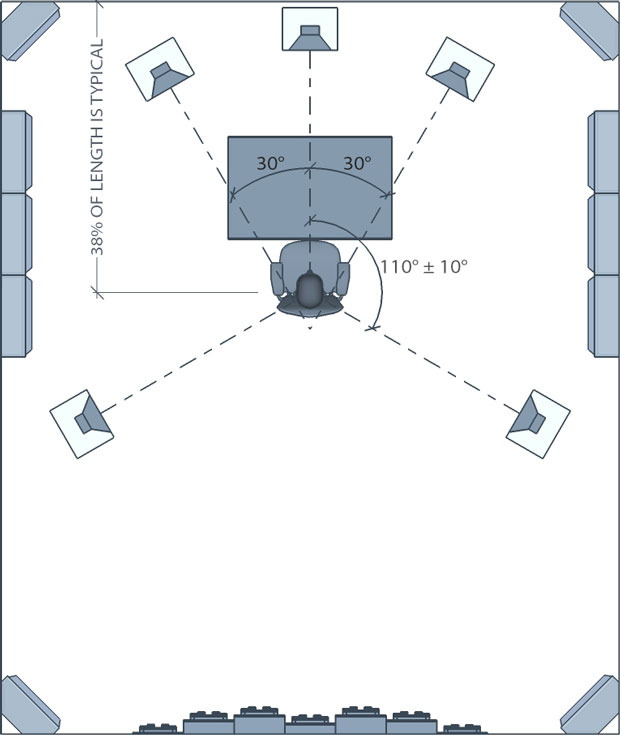
cc: arqen.com
- Speakers in front
- Sofa in the middle
- Balanced sound
In a car:/images/12TDF_DTA_Setup_M.png)
cc: kenwood.com
- Speakers everywhere
- Glass reflections
- You sit off-centre
Basically, car is one of the worst places for audio. DSP helps “re-tune” the music so it works inside a car, not a living room.
Why Older Cars Were Easier to Upgrade
Back then:
- Radio was just radio
- Straight wiring to speakers
- Change head unit, add amp, done
No screens. No car computers. No safety systems tied to audio. You could just plug and play. That’s why in older cars, DSP was nice to have, but not compulsory.
Why Modern Cars Make DSP Almost Necessary
Modern cars come with IHU (Integrated Head Unit):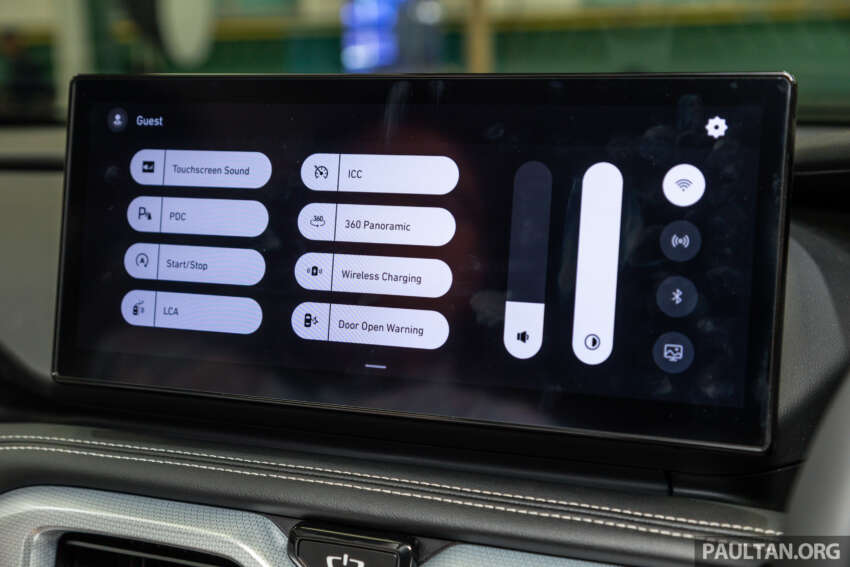
cc: paultan.org
- Big touchscreen
- Controls air-cond, sensors, warnings
- Audio is just one small part
Problem is:
- Can’t easily change head unit
- Factory sound is heavily processed
- Some signals are already “spoiled” before reaching speakers
So even if you upgrade speakers, you’re still listening to factory-tuned sound. DSP helps undo or correct this before sending sound to your new speakers.
What About Android Players?
Many people install Android players thinking sound will improve.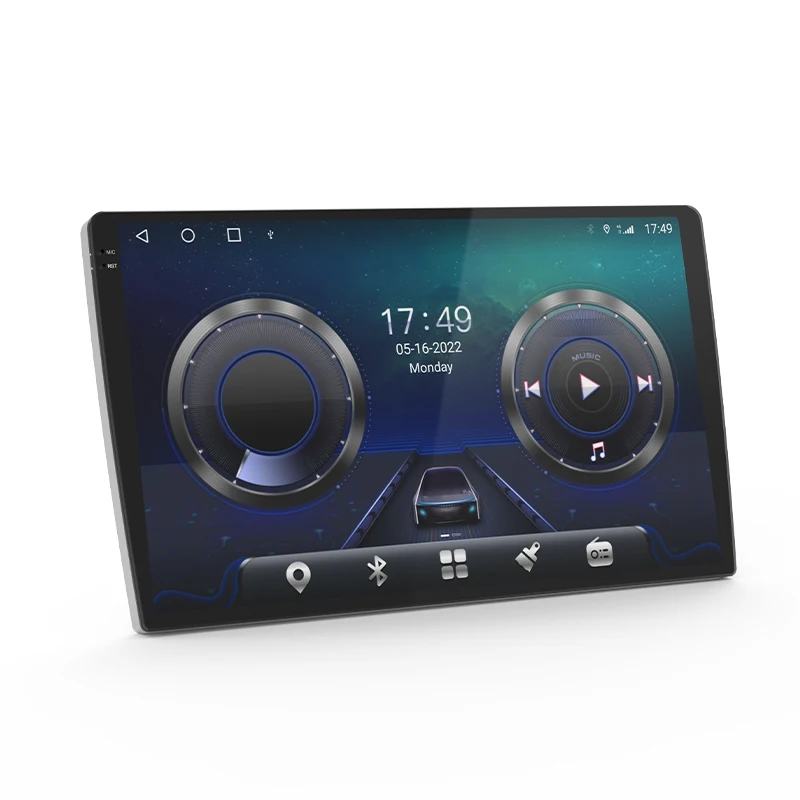
Reality:
- Screen nicer, yes
- Sound quality… not always better
- Internal audio parts are often budget-level
Adding DSP still makes a huge difference, even with Android players.
Do I Need DSP as a Beginner?
Short answer?
Older car + aftermarket player
DSP = optional, but good upgrade
Modern car with factory IHU
DSP = strongly recommended
Especially if you already upgraded speakers and feel something is still missing.
Simple Upgrade Path (Beginner Friendly)
If you’re just starting:
- Upgrade speakers
- Add amplifier (optional but recommended)
- Add DSP
- Proper tuning
- Optional subwoofer & sound deadening
Each step builds on the previous one. Will explain more on amplifier vs DSP misconception more on the next post, but this is usually how we get things done on a car that you can change the head unit with. ie: a Myvi.
Common DSP Myths (Let’s Clear This Up)
“DSP is only for competition cars”
Nope. DSP improves daily listening — radio, Spotify, Waze voice also clearer.
“DSP very complicated”
Not for users. Installer sets it up. You just enjoy.
“DSP makes sound fake”
Bad tuning does. Good DSP makes music sound more natural.
Final Thoughts
Upgrading speakers changes what you hear.
Adding DSP changes how you hear it. Especially for modern cars, DSP isn’t a luxury anymore, it’s often the missing piece that makes everything finally sound right.
If you’ve ever said “Speaker already change, but still macam something missing…”
Chances are, DSP is the answer.